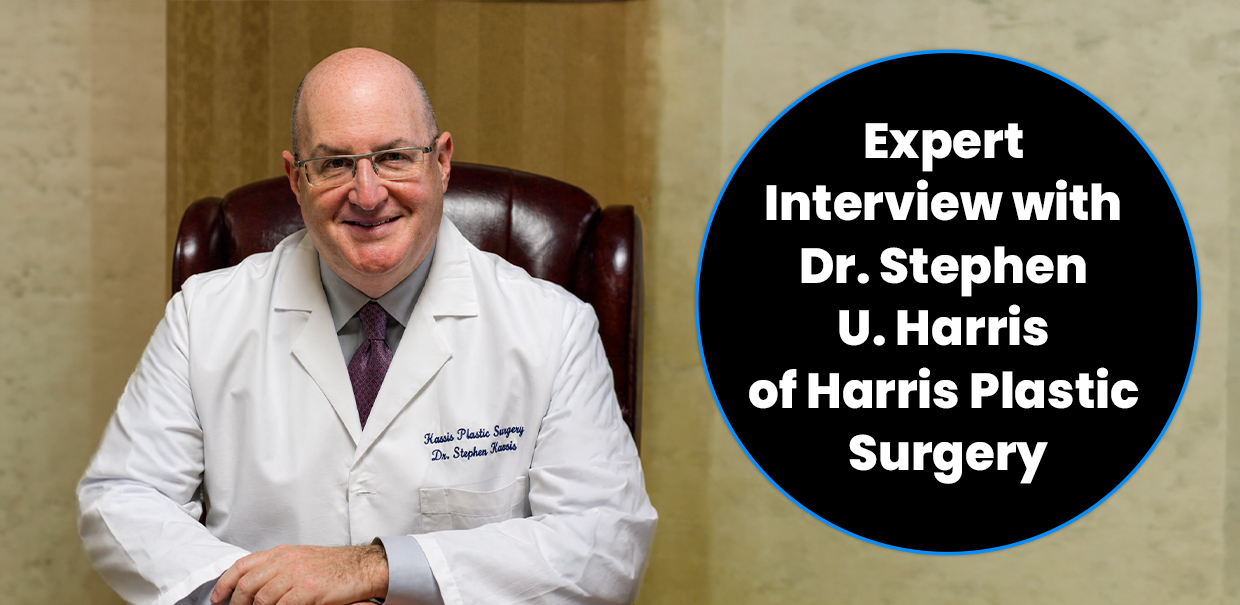
Kishore Khandavalli: Dr. Harris, you’ve built a reputation as New York’s leading breast reduction surgeon. From your perspective, what defines excellence in modern plastic surgery today?
Dr. Harris: Excellence today is about precision, personalization, and outcomes. Breast reduction surgery, in particular, is both functional and aesthetic. Rather than looking for cosmetic improvement, many of my patients are seeking relief from chronic pain and a better quality of life. With over 30 years of experience and thousands of breast procedures performed, I’ve seen how tailoring each surgery to the individual anatomy and goals of the patient is what truly drives superior outcomes.
Khandavalli: At 7T.ai, we focus heavily on using AI to improve patient outcomes and operational efficiency. Where do you see technology, especially AI, making the biggest impact in your field?
Dr. Harris: AI has enormous potential in surgical planning and patient care coordination. For example, tools that analyze patient data can help identify risk factors before surgery, allowing us to proactively manage complications. Additionally, better data integration can streamline communication between providers, which is critical in cases like reconstructive surgery where multiple specialists are involved.
Khandavalli: That aligns closely with what we’re building. At 7T.ai, our platforms use predictive analytics and clinical data to identify risks and optimize workflows. For example, automated clinical risk stratification can flag patients who may need additional monitoring before or after surgery. Do you think this kind of technology could enhance surgical outcomes?
Dr. Harris: Absolutely. If we can identify high-risk patients earlier, we can modify surgical plans or recovery protocols accordingly. In breast reduction surgery, that could mean adjusting techniques, planning post-operative care more precisely, or even determining candidacy more accurately. It’s about being proactive instead of reactive, and that’s where AI can really shine.
Khandavalli: Another area we’re seeing rapid adoption is clinical documentation automation—reducing the administrative burden on physicians so they can focus more on patients. How significant is that challenge in your practice?
Dr. Harris: It’s a major challenge. Surgeons today spend significant time on documentation, insurance approvals, and compliance requirements. For breast reduction procedures, documentation is critical for insurance authorization. My team works closely with patients and insurers to ensure everything is properly submitted, and if AI can reduce that burden, it allows physicians to focus on patient care and surgical excellence.
Khandavalli: Let’s talk about patient experience. At 7T.ai, we’re investing in conversational AI and patient engagement tools that monitor symptoms, medication adherence, and recovery in real time. How important is post-operative monitoring in breast reduction surgery?
Dr. Harris: It’s critical. The surgery itself is only part of the journey; recovery is where outcomes are truly determined. Patients often experience significant improvements, such as relief from back and neck pain, better mobility, and improved sleep. However, complications can arise if recovery isn’t properly managed. Having real-time monitoring or even AI-driven check-ins could help identify issues early and improve overall results.
Khandavalli: That’s exactly the gap we’re aiming to close—creating continuous patient engagement beyond the operating room. Switching gears slightly, your practice emphasizes a highly personalized, one-on-one consultation approach. How does that philosophy align with technology-driven care?
Dr. Harris: Technology should enhance, not replace, the human element. Every patient I see has unique concerns, anatomy, and goals. My consultations are designed to deeply understand those factors and create a customized surgical plan. AI can support that process by providing better data and insights, but the decision-making and patient relationship must remain human-centered.
Khandavalli: That “human + AI” model is exactly how we think about innovation. At 7T.ai, our philosophy is “Business First, Technology Follows,” meaning we start with real clinical challenges before applying AI solutions. From your perspective, what’s the biggest unmet need in plastic surgery today that technology could solve?
Dr. Harris: One major opportunity is improving predictability of outcomes. Patients want to know what to expect, not just aesthetically, but functionally. If AI can help simulate results or predict recovery trajectories more accurately, it would be a game-changer. Another area is care coordination—ensuring seamless communication between surgical teams, primary care physicians, and specialists.
Khandavalli: Final question—how do you see the future of breast reduction surgery evolving over the next decade?
Dr. Harris: I believe we’ll see a convergence of advanced surgical techniques and intelligent technology. Surgeons will continue refining methods to improve aesthetics and reduce recovery time, while AI will enhance decision-making, risk management, and patient engagement. Ultimately, the goal remains the same: improving quality of life. And with the right combination of expertise and technology, we can achieve that more consistently than ever before.
Khandavalli: Dr. Harris, thank you for sharing your insights. It’s clear that the intersection of surgical expertise and AI-driven innovation represents a powerful future for healthcare.
Dr. Harris: Thank you, it’s an exciting time for both medicine and technology.
Dr. Stephen U. Harris is a board-certified plastic surgeon and founder of Harris Plastic Surgery, specializing in breast reduction and body contouring. With over 30 years of experience, he is recognized for delivering natural, functional results and personalized care to patients across New York City and Long Island.