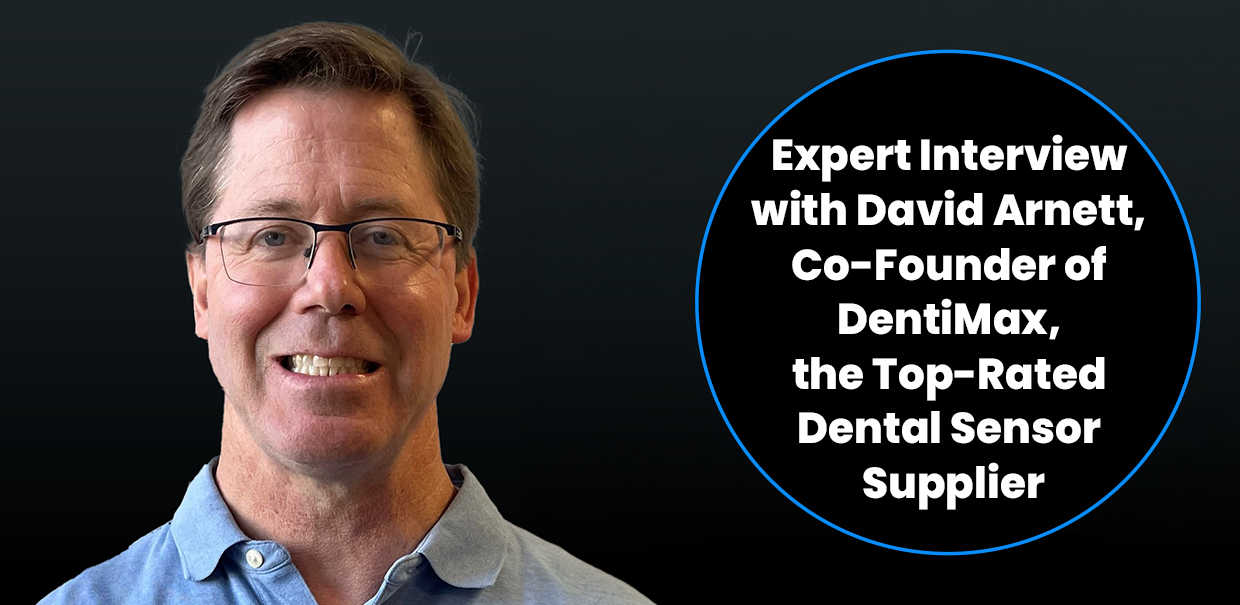
Healthcare organizations are investing in more technology than ever before, but successful modernization isn’t simply about adding new tools. It’s about creating systems that work together to support better decisions, more efficient workflows, and better experiences for both clinicians and patients.
David Arnett, co-founder of DentiMax, has spent more than two decades helping dental practices modernize their operations through digital imaging and practice management technology. Today, DentiMax is a top-rated dental sensor supplier, with imaging sensors trusted by over 10,000 dentists nationwide.
In this interview, David shares what healthcare leaders can learn from dentistry’s digital evolution and why connected technology ecosystems are becoming increasingly important across healthcare.
Q: Over the past two decades, you’ve helped thousands of dental practices modernize their technology. From your perspective, what separates organizations that successfully embrace digital transformation from those that struggle?
One of the biggest differences is mindset. Successful organizations don’t buy technology simply because it’s new. They invest with a clear understanding of the operational problem they’re trying to solve.
I’ve seen practices purchase excellent software or imaging systems that never delivered their full value because they were implemented in isolation. The organizations that succeed look beyond individual products and ask how every technology fits into the larger workflow. They think about their staff, their patients, their long-term growth, and how information moves throughout the practice.
Technology should simplify operations, not create additional complexity.
Q: Many organizations invest heavily in new technology, but not always in making their systems work together. Why has system integration become such an important part of modern healthcare operations?
Healthcare generates enormous amounts of information every day. If those systems can’t communicate with one another, people end up spending valuable time moving information manually instead of caring for patients
Integration reduces unnecessary work, minimizes duplicate data entry, and helps clinicians access the information they need when they need it. In dentistry, we’ve seen practices become much more efficient when imaging, patient records, scheduling, and administrative workflows operate as one connected environment rather than several disconnected applications.
Ultimately, connected systems don’t just improve efficiency. They create better experiences for both providers and patients.
Q: DentiMax has built its imaging solutions around broad software compatibility and open connectivity. What lessons have you learned about the long-term value of flexible technology ecosystems?
One lesson has remained remarkably consistent over the years: flexibility protects your investment.
Technology changes quickly. Practices grow, software evolves, and new capabilities emerge. Organizations that build around open, compatible systems have much more freedom to adapt without replacing everything they’ve already invested in.
Rather than asking whether a technology solves today’s problem, I encourage leaders to ask whether it will continue supporting their organization five years from now. Open ecosystems provide options, and options become incredibly valuable as businesses evolve.
Q: Looking ahead, what advice would you give healthcare leaders who want to build technology ecosystems that remain effective five or ten years from now?
Focus on building a strong foundation before chasing every new innovation.
Healthcare technology will continue evolving rapidly, whether it’s automation, advanced analytics, or new forms of artificial intelligence. Organizations that benefit most from those advances will be the ones that already have connected systems, reliable data, and workflows that support change rather than resist it.
My advice is simple: invest in technologies that improve interoperability, reduce operational friction, and make information more accessible across your organization. Those investments tend to deliver value long after the initial implementation, while also preparing your organization for whatever comes next.